







Nutritional yeast has emerged as a promising alternative protein source that addresses both environmental concerns and nutritional needs. This microorganism-derived ingredient is gaining attention from food manufacturers, nutritionists, and environmentally conscious consumers alike.
The Growing Demand for Sustainable Protein Sources
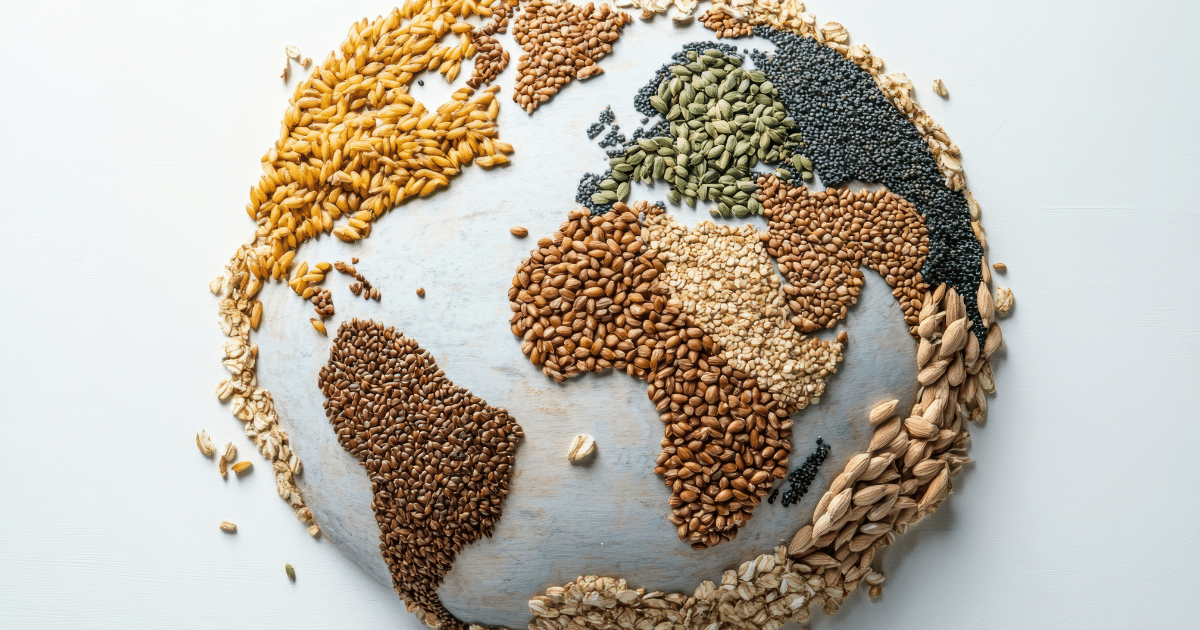
The global food system stands at a critical crossroads. With population growth projected to reach 9.7 billion by 2050, traditional protein production methods face significant sustainability challenges. According to the FAO (Food and Agriculture Organization of the United Nations) and the WHO (World Health Organization), reducing animal protein consumption in favor of alternative non-meat sources, particularly plant-based proteins, is essential for environmental sustainability (Source: COFALEC. « Environnemental Solutions »).
Nutritional yeast represents a compelling solution in this context. As a single-cell organism that can be cultivated efficiently, it requires significantly fewer resources than animal agriculture. Producing nutritional yeast has a substantially lower carbon footprint than conventional meat production, making it an attractive option for companies committed to circular economy principles.
A Positive Protein Alternative
Nutritional yeast offers a promising alternative protein source for consumers prioritizing nutrition, wellness, and immunity.
Beyond its eco-sustainability, its unique nutritional properties make it particularly appealing. Unlike many plant-based proteins, nutritional yeast and its protein isolates are less allergenic, helping address concerns about allergens like wheat or eggs. This makes it a versatile ingredient suitable for specialized diets and consumers seeking vegan food options.
Understanding Nutritional Yeast and Yeast Protein
Both forms represent valuable nutrition solutions for the food industry, with applications ranging from meat alternatives to dietary supplements.
Yeast protein is an isolated and concentrated ingredient extracted from Saccharomyces cerevisiae. This purified protein contains higher protein (typically 70-80%) but lacks the additional nutrients found in whole nutritional yeast.
A 2024 study shows that high-fat meats, including red meat and processed products like sausages, are associated with increased risk of certain cancers and cardiovascular diseases. Incorporating yeast protein as a partial or complete replacement can help mitigate these health concerns while maintaining familiar taste and texture profiles.
Nutritional yeast, on the other hand, is a whole microorganism (typically Saccharomyces cerevisiae) that has been inactivated by heat and dried. It contains approximately 40-50% protein along with fiber, carbohydrates, minerals, and B vitamins, offering a complete nutritional profile. It supports wellness and immunity. Its distinctive, cheesy, umami flavor makes it particularly valuable in culinary applications, especially in vegan food options.
Innovative Applications in the Food Industry
Food manufacturers are finding increasingly creative ways to incorporate nutritional yeast and yeast protein into consumer products. Beyond the traditional use as a condiment or flavor enhancer, yeast proteins are now being utilized in:
• Meat alternative products, where they contribute to texture and umami flavor profiles
• Protein-enriched beverages and nutrition bars
• Dairy alternatives, particularly cheese substitutes
• Sports nutrition formulations
The versatility of yeast-derived ingredients allows for integration into numerous food categories through product ranges like Lynside® Nutritional Yeasts, making them valuable tools for product developers seeking to create sustainable food options without compromising on taste or nutrition.
Nutritional yeast and yeast protein represent promising solutions to the complex challenges facing our global food system. With their impressive nutritional profiles, minimal environmental impact, and versatile applications, these ingredients are well-positioned to play a significant role in the future of sustainable nutrition. As research continues and production technologies advance, we can expect to see expanded applications and improved formulations that make yeast-derived proteins increasingly competitive with both animal proteins and other alternative protein sources.
Deep Dive Into Lynside® Nutritional Yeast
Thanks to their good nutritional profiles on proteins, fibers, B vitamins, and minerals such as zinc, magnesium, and potassium, the Lynside® range of nutritional yeasts can be used in various applications such as dietary supplements, seasonings, and functional foods.