








Although effects vary by strain, evidence suggests that probiotic microorganisms can produce highly bioavailable folate and enhance the absorption of essential micronutrients, offering significant benefits in addressing nutritional deficiencies.
Probiotics: A Promising Natural Approach to Folate Fortification
Folate deficiency remains a significant global health issue, affecting over 40% of people in many regions. While mandatory folate fortification programs in food have been implemented to address this issue, research on natural approaches continues to expand.
Emerging research highlights probiotics as a promising solution because these beneficial bacteria can produce folate directly in the colon. This naturally produced folate is more easily absorbed than synthetic forms, providing specific benefits for individuals with genetic variations that affect folate metabolism.
The findings suggest the possibility of creating functional foods fortified with folate-producing probiotics. Such products could support existing fortification initiatives, naturally increase folate intake, and help prevent related health issues, including anemia and elevated homocysteine levels.
Deep Dive Into Folate
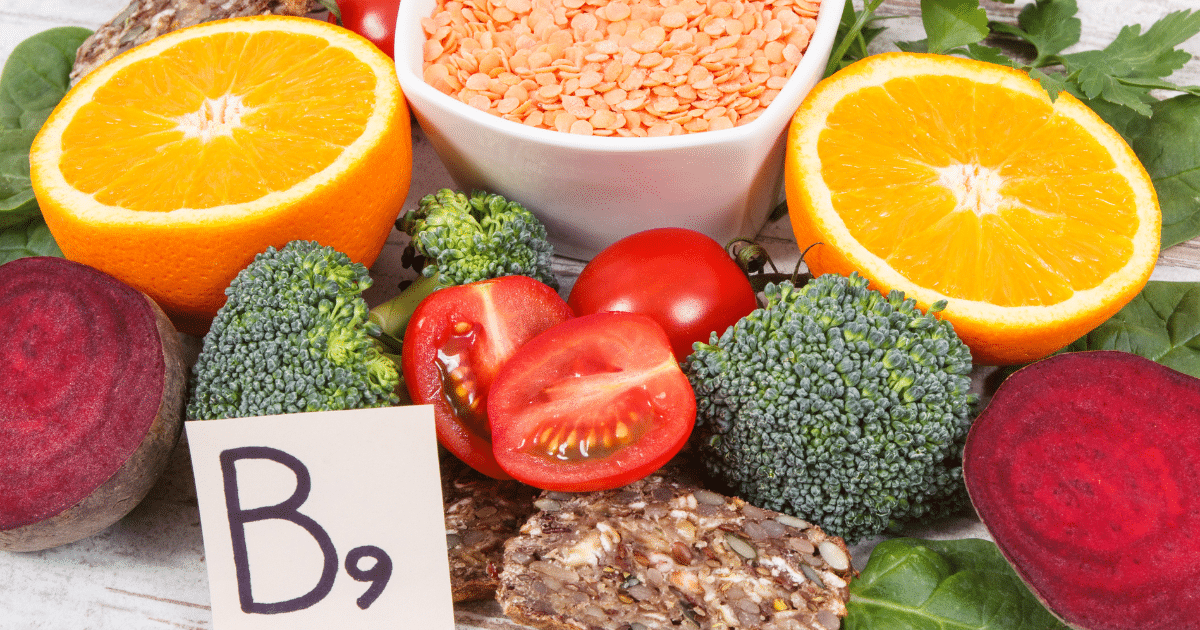
Folate, also known as vitamin B9 or folic acid, is a water-soluble essential nutrient that plays a crucial role in many physiological processes in the body, such as healthy cell growth, DNA synthesis, and red blood cell formation.