







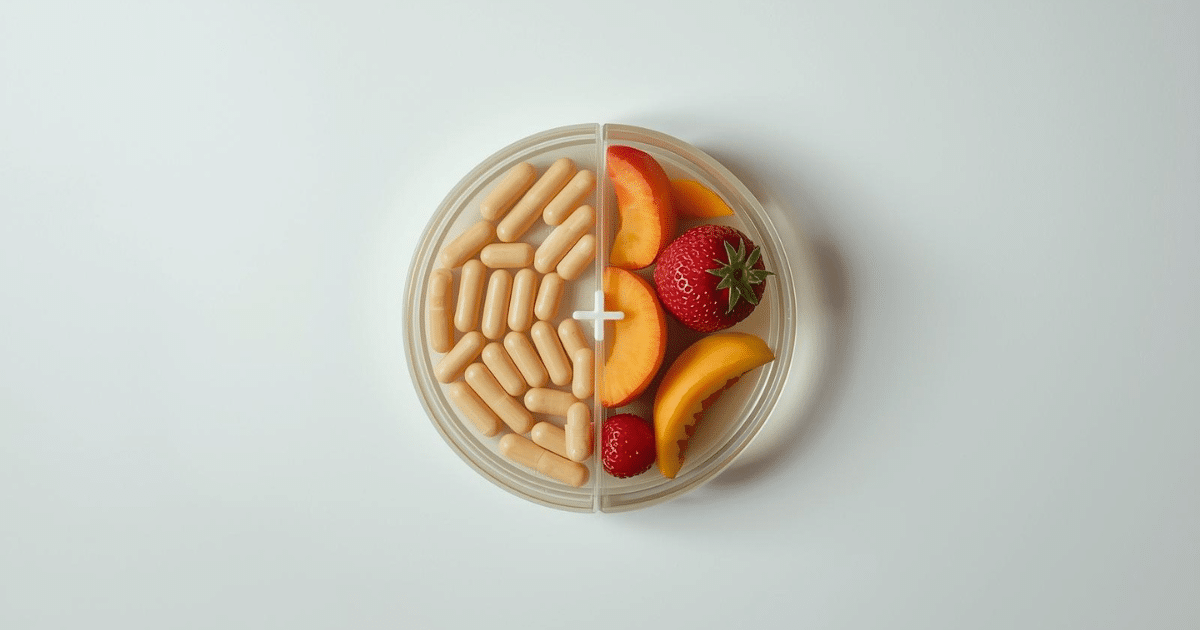
As the link between gut microbiota and overall health becomes clearer, prebiotics and probiotics have gained popularity in nutritional supplements. This article explores the synergistic effects of probiotics and prebiotics, known as synbiotics, and their benefits for digestive health and overall well-being.
Defining Probiotics and Prebiotics: Key Players in Nutritional Supplements
What Are Probiotics? Beneficial Yeasts and Bacteria for Gut Health
Probiotics are live microorganisms, including bacteria and yeasts, that offer health benefits. They are found in fermented foods, supplements, and enriched products. The effectiveness of probiotics depends on the specific strain and dosage, with Lactobacillus and Bifidobacterium being the most common.
Probiotic yeasts, particularly Saccharomyces cerevisiae, also offer significant benefits.
These probiotics are transient in the gut and must be consumed regularly to maintain their benefits.
What are Prebiotics? Nutrients Specifically Intended for Beneficial Microorganisms
Prebiotics are selectively utilized substrates that confer health benefits by nourishing beneficial gut bacteria and yeasts. Found naturally in fruits, vegetables, whole grains, and polyphenols, prebiotics like inulin, FOS, GOS, and MOS promote the growth of helpful bacteria in the colon.
While a daily intake of at least 3 grams is generally recommended for these prebiotics, reaching up to 5 grams for optimal gut health, some prebiotics require less. For example, LynsideⓇ Prebiotic Yeast requires a very low daily dosage (from as little as 500 mg) and promotes a continued prebiotic response with low gas production. This low dosage allows for convenient dietary supplement formats like capsules.
The Science of Synbiotics: Probiotics and Prebiotics Working Together
Integrative Benefits of Probiotics and Prebiotics: Defining Synbiotics
Synbiotics are mixtures of live microorganisms and substrates that work together to provide health benefits. These combinations enhance probiotic survival in the gastrointestinal tract, leading to greater and more sustained health effects. Synbiotics improve nutrient absorption, digestive health, and overall metabolism by fostering a symbiotic relationship between probiotics and prebiotics. Recent research has shown increasing interest in synbiotics, which combine probiotics and prebiotics for enhanced health benefits.
Enhancing Nutrient Absorption and Digestive Health through Symbiotic Relationships Between Prebiotics and Probiotics
Probiotics and prebiotics improve digestive enzyme production and nutrient absorption, including vitamins and minerals. Prebiotics are transformed into short-chain fatty acids (SCFAs) like butyrate, which nourish intestinal cells, reduce inflammation, and boost metabolism. Together, they optimize digestive functions, maintain regular bowel movements, and alleviate symptoms like bloating and constipation.
Boosting Immune Health and Reducing Inflammation with Synbiotic Formulations
Probiotics stimulate and modulate the immune system by interacting with intestinal immune cells, promoting a balanced response, and inhibiting excessive inflammation. Lactobacillus and Bifidobacterium, in particular, produce anti-inflammatory cytokines and strengthen the intestinal barrier. Prebiotics support these functions by nourishing beneficial bacteria and producing SCFAs with anti-inflammatory properties, reducing the risk of inflammatory and infectious diseases. While generally safe, individuals with compromised immune systems or open wounds should consult a healthcare professional before using probiotics or prebiotics.
Optimizing Probiotic and Prebiotic Formulations: Selection and Delivery
Selecting the Right Strains and Substrates for Optimal Health Outcomes
The effectiveness of probiotics and prebiotics depends on selecting the right strains and substrates. Probiotics must be potent, pure, and correctly identified by strain, while prebiotics should target beneficial gut bacteria without causing side effects like bloating. Dosage and stability are crucial for both, ensuring they reach the colon intact and effective. For optimal gut health, aim for a daily intake of at least 3 grams of prebiotics, ideally reaching 5 grams, while probiotic dosages typically range from 1 to 10 billion CFU per day, depending on the strain.
Effective Delivery Systems for Probiotics and Prebiotics
Probiotic yeasts, particularly species like Saccharomyces boulardii, exhibit a natural resilience that enables them to survive and thrive within the harsh conditions of the digestive tract.
However, this is not the case for probiotic bacteria, which require protection against gastric acidity and digestive enzymes, often through the use of gastro-resistant capsules.
On the other hand, prebiotics are typically incorporated into functional foods or beverages because their effective doses, ranging from 3 to 5 grams, are not well-suited for encapsulation, except for LynsideⓇ Prebiotic Yeast, which requires only a minimal daily dosage of 500 mg and is thus suitable for capsule formats.
Combining probiotic yeasts with prebiotics in such functional foods is not only practical but also amplifies their synbiotic benefits.
For probiotic bacteria, to address the challenge of optimally delivering a synbiotic formula, microencapsulation, especially using layers of vegetable fatty acids, shows promise, ensuring probiotics survive the digestive process and prebiotics are gradually released to support beneficial bacteria.
Each combination of probiotics and prebiotics must be carefully studied to confirm a synergistic effect and ensure that there is no competition between them, which could hinder their effectiveness.
Harnessing the Full Potential of Probiotic and Prebiotic Integration for Future Health Innovations
Integrating probiotics and prebiotics enhances digestive health, immune function, and metabolic balance. Careful strain and substrate selection, along with advanced delivery systems, are key to maximizing synbiotic benefits. As research progresses, these insights will drive innovation in health-focused nutrition, leading to the development of advanced supplements and functional foods. By leveraging the combined power of probiotics and prebiotics, we can unlock new potential for improving overall well-being and supporting a healthier lifestyle.
Kamal Dua, Synbiotics in Human Health: Biology to Drug Delivery, Springer, 2024.
World Gastroenterology Organisation Global Guidelines: Probiotics and prebiotics, February 2023.
Deep Dive Into Probiotic Yeast
Probiotics are live microorganisms that provide numerous health benefits when consumed. Probiotic yeasts and bacteria can naturally improve our well-being and target specific health issues and needs in many different ways.


