






Selenium and male fertility
Male fertility is crucial in helping couples conceive and grow their families. At the heart of this process lies healthy, active sperm – and one essential nutrient that supports sperm production, motility, and overall function is selenium.
Selenium, a trace mineral, is a powerful antioxidant that shields sperm from oxidative damage and helps maintain proper testosterone levels, a key factor in male reproductive health.
While selenium can be found in foods like seafood, eggs, and Brazil nuts, supplementation can help when consistent intake falls short. This is where selenium-enriched nutritional yeast steps in as a natural supplement to help boost fertility and improve sperm quality. It is an easily absorbed form with better absorption than inorganic selenium; this matters for adults who may not ingest enough selenium through diet alone, though excess intake can increase the risk of toxicity and ultimately reduce the chances of successful conception.
The importance of selenium supplementation for male fertility
Selenium’s role in male fertility is multifaceted.
During spermatogenesis, or sperm production, selenium-containing proteins called selenoproteins are essential for the development and maturation of sperm cells and are involved in reproductive function and broader metabolism. These selenoproteins, such as phospholipid hydroperoxide glutathione peroxidase (PHGPx) and glutathione peroxidase 4 (GPX4), act as antioxidants, protecting sperm from the damaging effects of reactive oxygen species (ROS).
Oxidative stress is a leading cause of sperm dysfunction, and selenium’s antioxidant properties are crucial in neutralizing ROS, helping decrease oxidative damage biomarkers and reflect better sperm protection while preventing oxidative damage to the genetic material within sperm. This safeguards the integrity of the sperm, ensuring the healthy transfer of genetic information during fertilization.
Furthermore, selenium regulates testosterone production, a vital hormone for male fertility. Research suggests that selenium supplementation can influence hormone-related mechanisms closely related to male fertility and help maintain or even increase testosterone levels, essential for supporting libido, sexual function, and the overall process of spermatogenesis.
Moreover, selenium is synergistic with folate, another crucial nutrient for female fertility. Folate is commonly recommended for women attempting to conceive, as it supports healthy cell division and embryonic development. When selenium and folate are combined, they create a robust support system for overall reproductive health in both men and women. This dynamic duo forms a potent combination that can enhance fertility for both men and women.
Selenium yeast (selenium-enriched yeast): An excellent solution for fertility
When it comes to supplementation with selenium, the mineral form is crucial: organic selenium in selenomethionine-rich yeast is generally more readily utilized than inorganic forms such as sodium selenite because yeast fermentation enables conversion into bioavailable forms. This form, called organic selenium, is the most bioavailable source of selenium on the market.
Gnosis by Lesaffre offers Lynside®Forte Se+, a selenium-enriched yeast rich in selenomethionine, with total selenium quantified across key selenium compounds, and inorganic precursors converted during preparation into organic forms. This biotechnology-based method improves quality and helps determine how much of the total selenium is present as bioavailable forms. When properly formulated, selenium yeast is generally preferred over inorganic sources due to lower toxicity concerns. This nutritional yeast is synergistic with Quatrefolic®.
Lynside® Forte Se+ is key for male fertility, while Quatrefolic® is the perfect solution to support female fertility.
Deep dive into folate
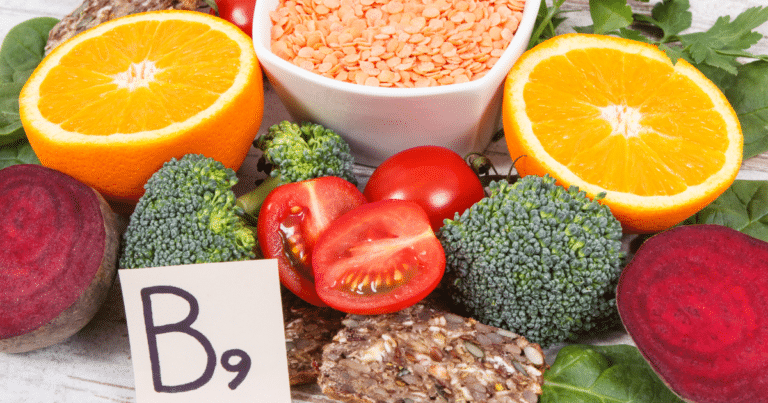
Folate, also known as vitamin B9 or folic acid, is a water-soluble essential nutrient that plays a crucial role in many physiological processes in the body, such as healthy cell growth, DNA synthesis, and red blood cell formation.