






Essential microorganisms for our well-being, yeasts like Saccharomyces cerevisiae play a crucial role in human health. Initially known for their use in fermentation in baking and brewing, they now stand out for their numerous benefits, ranging from their role as probiotics to their exceptional nutritional properties. By understanding the specific characteristics of Saccharomyces cerevisiae, particularly its effects on gut health and its nutritional potential, we can assess the extent of its benefits for overall health.
Definition and characteristics of Saccharomyces cerevisiae
Saccharomyces cerevisiae (S.cerevisiae), known as “brewer’s yeast” or “baker’s yeast,” is a key player in food and drink production. This versatile microorganism, part of the fungi family, is naturally present in grains, fruit, and in the air, and has also made a name for itself in science as a “model organism” thanks to its simple structure, which reflects processes found in more complex life forms.
Characterized by its unicellular structure, S. cerevisiae thrives in various environments, including fermented products and the human gut. It plays an essential role in baking and brewing through fermentation, which converts sugars into carbon dioxide.
Moreover, its use has expanded far beyond culinary applications into cutting-edge health solutions, as science continues to uncover its potential benefits.
The role of Saccharomyces cerevisiae as a probiotic
In recent decades, S. cerevisiae has attracted attention for its probiotic properties, particularly the strain Saccharomyces cerevisiae var. boulardii. Probiotics are live microorganisms that, when consumed in adequate amounts, confer a health benefit to the host. Unlike bacterial probiotics, Saccharomyces cerevisiae var. boulardii stands out among clinically studied yeast strains and probiotic strains.
Saccharomyces cerevisiae var. boulardii: Proven Gut Health Support
- boulardii is highly valued for its resistance to stomach acid, helping it survive through the GI tract and reach the intestinal tract intact. Renowned for its benefits, it supports recovery from acute diarrhea, such as in children or travelers, helps reduce the risk of antibiotic-associated diarrhea (AAD), supports intestinal microbiota balance, and helps limit certain pathogenic bacteria. The versatile probiotic S. boulardii is also studied for gastrointestinal disorders. Additionally, its contribution to gut health supports immune function, making it a trusted ingredient in digestive health products. Lynside® S. boulardii is the trusted choice for digestive and immune health solutions.
Saccharomyces cerevisiae CNCM I-3856: Expanding the Potential of Yeast in Health
Saccharomyces cerevisiae var. boulardii is not the only yeast strain delivering proven health benefits. Probiotic Saccharomyces cerevisiae CNCM I-3856 is gaining recognition as a cutting-edge probiotic strain with applications beyond general digestive health. It has shown promise in alleviating symptoms of irritable bowel syndrome (IBS), offering relief from discomfort such as bloating and abdominal pain while supporting gut microbiota balance. Selected strains are also investigated for their intestinal immune responses, anti-inflammatory effects, and gene expression associated with barrier support. Visit Ibsium, the innovation for IBS symptom relief and microbiota balance.
Additionally, research suggests a beneficial role in vaginal health, helping maintain a healthy vaginal microbiome and providing protection against imbalances. This dual-action approach makes CNCM I-3856 a significant innovation for gut and vaginal health solutions. To learn more, explore QuatrefloraTM.
The role of Saccharomyces cerevisiae in nutritional yeast and dietary supplements
Saccharomyces cerevisiae has significant nutritional benefits when used as nutritional yeast. When deactivated (no longer alive or fermenting), the yeast is marketed as a nutritious product rich in key nutrients, and yeast extracts are also a common inactivated form used in nutrition products.
- High in B-complex vitamins: It often includes thiamine (B1), riboflavin (B2), niacin (B3), vitamin pyridoxine (B6), and even cobalamin (B12) if fortified, helping support energy production.
- Contains proteins: It’s a source of complete protein (including all essential amino acids), which supports nutrient absorption and overall nutritional value.
In What Form Can Nutritional Yeast Be Consumed?
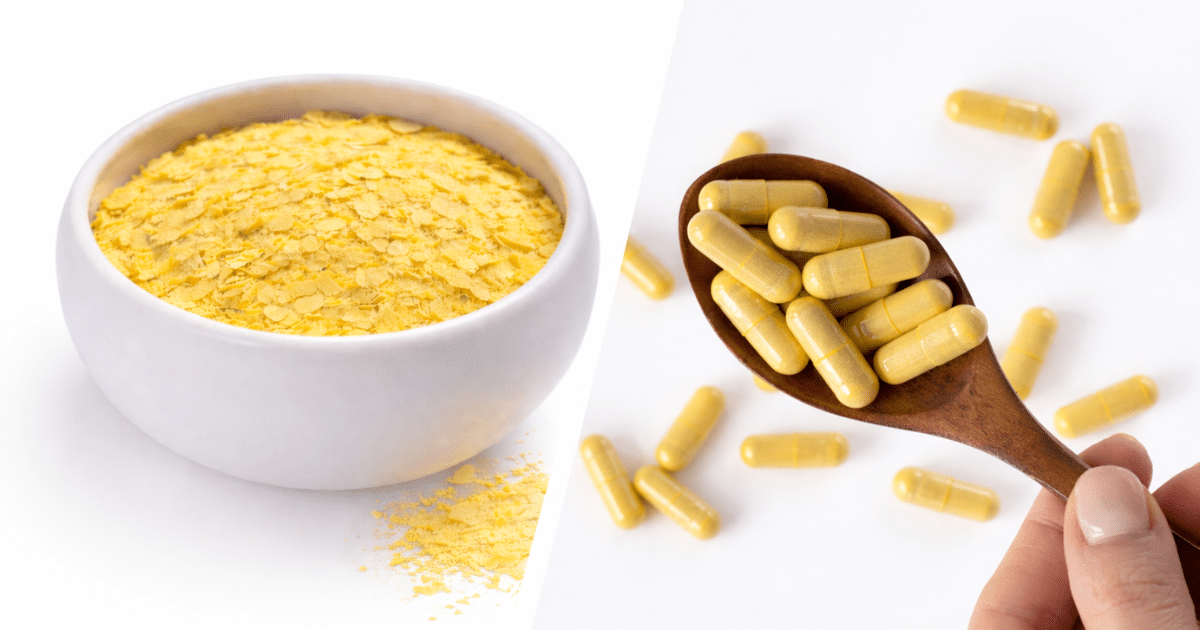
- Flakes: This is the most common and easiest-to-use format for everyday consumption, as a seasoning ingredient. Ideal for individuals who want to enrich their meals with extra flavor and nutrition.
- Powder: Often marketed as a dietary supplement or food supplement, focusing on its nutritional properties rather than its flavor. Powder may also be encapsulated into pills or tablets for easy supplementation.
Lynside® Nutritional Yeast has superior nutrient density and versatile applications. Some products in the range have specialized formulations: fortified with zinc to support the immune system or enriched with selenium to provide antioxidant protection.
A microscopic powerhouse shaping the future of health
Despite its humble size, S. cerevisiae has a monumental impact on human health. Whether it’s a living probiotic to support gut health or inactivated nutritional yeast that enriches diets with essential nutrients, this yeast proves its versatility. From functional foods to potent supplements, S. cerevisiae offers natural and effective solutions for modern health challenges. As the field of probiotics continues to grow, this remarkable microorganism remains at the forefront of delivering groundbreaking benefits for overall wellness.
Deep dive into Lynside® Nutritional Yeast
Thanks to their good nutritional profiles of proteins, fibers, B vitamins, minerals such as zinc, magnesium, and potassium, and bioactive fractions from the yeast cell wall and other cell wall components, the Lynside® range of nutritional yeasts sourced from yeast cells can be used in various applications. These ingredients are used in dietary supplements, functional foods, and even as feed additives.