




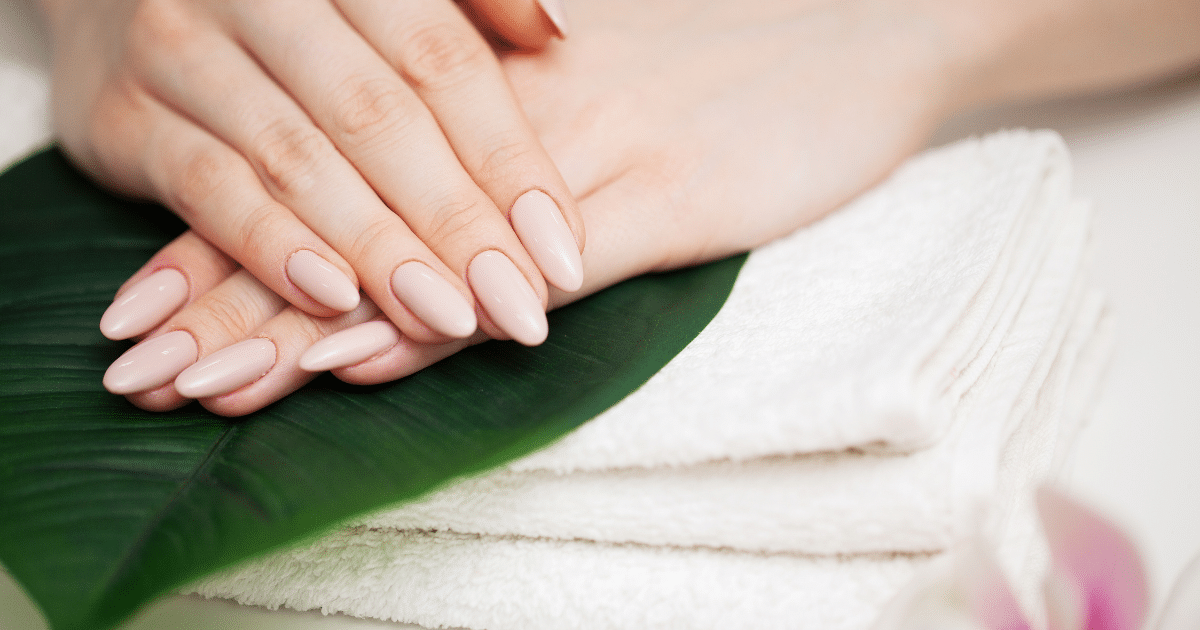
Strong nails are a sign of good overall health, reflecting proper nutrition, circulation, and the absence of underlying issues. However, brittle or weak nails, sometimes due to an unbalanced diet or nutrient deficiencies. Ensuring adequate intake of key vitamins and minerals—either through diet or supplements—is essential for maintaining healthy nails. Selenium, zinc, and B vitamins are particularly important for promoting nail growth and strength, helping to stop cracking, splitting, and other visual imperfections.
Nutritional yeast is a vegan-friendly supplement option that can be fortified with these nutrients, making it an excellent support for overall nail health. In this article, we’ll explore how selenium, zinc, and B vitamin-fortified yeast can enhance nail health and provide an easy solution to achieve your nail goals.
Nail health & structure
Human nails are complex structures made up of several parts: the nail plate (the visible part of the nail), the nail bed (skin beneath the nail plate), the cuticle (the tissue at the base of the nail), and the nail matrix (the tissue that produces new cells)1. Nails grow from the matrix, where skin cells (called keratinocytes) produce a hardened protein (keratin) forming the nail plate.
Keratin is a tough, fibrous protein that gives nails their strength and durability. However, various factors can cause the nail plate to become brittle, weak, or show visual imperfections. Common nail problems include excessive ridging, splitting, or changes in the free edge2. Brittleness can be caused by environmental factors or nutrient deficiencies, and discoloration can occur due to poor nutrition. Nutritional support can help in protecting and strengthening nails to avoid some of these common problems.
Essential nutrients for nail health
A well-balanced diet and supplementation (where necessary) can provide the essential nutrients necessary to support nail health. Three key nutrients—selenium, zinc, and B vitamins—are particularly important for nail growth and strength.
Selenium
Selenium is an essential nutrient that plays a critical role in antioxidant defense and keratinocyte (nail cell) health3,4. Selenium helps to protect cells from oxidative stress and prevent damage to the integrity of the nail plate, stopping brittleness and maintaining nail growth. Selenium binds to proteins within ketatinocytes to form selenoproteins. These are essential for maintaining the proper function of keratinocytes and promoting their stem-cell properties, enabling them to divide and grow.
Zinc
Zinc is another essential nutrient that plays a vital role in protein synthesis and cell division, both of which are crucial for nail growth and repair5. Zinc supports keratin production, helping to strengthen the nail plate and protect it from breakage. It promotes the healthy function of keratinocytes, ensuring that the cells responsible for producing the nail’s protein structure remain effective.
Zinc deficiency has been linked to several nail disorders, one of the most notable being Beau’s lines—horizontal ridges that can form across the nails6. These ridges indicate a disruption in nail growth, which can be triggered by insufficient zinc levels. Inadequate zinc intake can also result in softer, weaker nails that are more prone to splitting and other forms of damage.
B Vitamins
B vitamins come in several forms, each of which plays a crucial role in maintaining overall health. Biotin (B7) is perhaps the most well-known B vitamin for nail health, as it helps produce keratin, the protein that forms the nail structure7,8. Supplementing with biotin has been shown to increase nail thickness and reduce brittleness, making it a key nutrient for those seeking stronger nails.
Vitamin B12, on the other hand, is essential for oxygen transport and red blood cell formation9. A deficiency in B12 can lead to blue or discolored nails, due to poor oxygen for proper growth. Folate (B9), which aids in DNA synthesis and cell division, is also necessary for producing new nail cells in the matrix.
Together, B vitamins support the health of the cells in the nail bed, helping to ensure proper growth, smoothness, and color.
Conclusion
Healthy nails depend on a variety of factors, including proper nutrition. Selenium, zinc, and B vitamins are all crucial for supporting nail growth, strength, and resilience. Incorporating fortified nutritional yeast offers an easy, vegan-friendly way to ensure that you’re getting enough of these essential nutrients. For those seeking stronger, healthier nails, fortified yeast provides a convenient and nutrient-dense option to help you reach your nail health goals.
References
- Baswan S, Kasting GB, Li SK, Wickett R, Adams B, Eurich S, Schamper R. Understanding the formidable nail barrier: a review of the nail microstructure, composition and diseases. Mycoses, 2017; 60(5): 284–295. Available from: https://pmc.ncbi.nlm.nih.gov/articles/PMC5383514/
- Reinecke JK, Hinshaw MA. Nail health in women. Int J Womens Dermatol. 2020; 6(2): 73–9. Available from: https://www.ncbi.nlm.nih.gov/pmc/articles/PMC7105659/
- Jobeili L, Rousselle P, Béal D, Blouin E, Roussel AM, Damour O, et al. Selenium preserves keratinocyte stemness and delays senescence by maintaining epidermal adhesion. Aging. 2017; 9(11): 2302–15. Available from: https://www.ncbi.nlm.nih.gov/pmc/articles/PMC5723688/
- Sengupta A, Lichti UF, Carlson BA, Ryscavage AO, Gladyshev VN, Yuspa SH, et al. Selenoproteins are essential for proper keratinocyte function and skin development. PLoS ONE. 2010; 5(8): e12249. Available from: https://www.ncbi.nlm.nih.gov/pmc/articles/PMC2923614/
- Gonçalo M. Zinc supplements may prevent and treat cutaneous toxicities induced by epidermal growth factor receptor inhibitors. J. Eur. Acad. Dermatol. Venereol. 2023; 37(2): 220–1. Available from: https://onlinelibrary.wiley.com/doi/full/10.1111/jdv.18835
- Maxfield L, Shukla S, Crane JS. Zinc deficiency. Nih.gov. StatPearls Publishing; 2019. Available from: https://www.ncbi.nlm.nih.gov/books/NBK493231/
- Kannan S, Balakrishnan J, Nagarajan P. Vitamin B7 (Biotin) and its role in hair, skin, and nail health. Adv. Carbohydr. Chem. Biochem. 2024; 1;233–52. Available from: https://link.springer.com/chapter/10.1007/978-3-031-55474-2_10
- Cashman MW, Sloan SB. Nutrition and nail disease, Clin. Dermatol. 2010; 28(4): 420-425, Available from: https://www.sciencedirect.com/science/article/pii/S0738081X10000611
- Brescoll J, Daveluy S. A review of vitamin B12 in dermatology. Am. J. Clin. Dermatol. 2015; 16(1): 27–33. Available from: https://pubmed.ncbi.nlm.nih.gov/25559140/
Deep Dive Into Lynside® Nutritional Yeast
Thanks to their good nutritional profiles on proteins, fibers, B vitamins, and minerals such as zinc, magnesium, and potassium, the Lynside® range of nutritional yeasts can be used in various applications such as dietary supplements, seasonings, and functional foods.