






A recent study published by JMIR Infodemiology illuminates the unique online discussions surrounding nutritional yeast in France, revealing its growing popularity among consumers seeking health and wellness solutions.
French consumers primarily focus on its role of nutritional yeast within their dietary supplement regimens: over 50% of the posts from French users highlighted nutritional yeast as a key ingredient in supplement routines, often combined with products like castor oil. This pairing is particularly valued for its benefits in strengthening nails and promoting hair growth, aligning with France’s longstanding culture of holistic health practices. Most of the posts emphasized these combined benefits, spotlighting the synergy between brewer’s yeast and other supplements.
French consumers are interested in nutritional yeast supplements
The study further uncovered how French consumers associate brewer’s and nutritional yeast, often called “levure diététique” or “levure alimentaire” in France and also referred to as “levure nutritionnelle” or ‘levure maltée,” with a broader range of health benefits; it is commonly sold in flake or powder form. Notably, attention to hair loss centered on its nutrient-rich profile, and fortified versions can provide multiple times the Daily Value of B vitamins, reinforcing links to hair and nail health. B vitamins, such as B6, B12, and folate (B9), are known for their efficacy in cellular repair, keratin production, and supporting metabolic functions, which contribute to the strengthening of hair follicles and the stimulation of growth. Vegans should check labels for fortification if they want B12, since fortified nutritional yeast can help address deficiency when used day to day. Additionally, the B complex is praised for combating fatigue, improving mood, and regulating the nervous system, making it a sought-after supplementation choice for individuals under stress or with demanding lifestyles.
Users also highlighted nutritional yeast as an effective product in holistic wellness routines because of its positive impact on skin health and overall vitality. Rich in antioxidants, amino acids, and trace minerals like selenium and zinc, brewer’s yeast is about 50% protein by weight and contains dietary fibers that support gut health and may help maintain healthy cholesterol levels, contributing to skin repair, immunity, and gastrointestinal balance. Some discussions mentioned its role in countering fungal infections, promoting gut microbiota harmony, and boosting energy levels, while beta-glucans may help strengthen the immune system, thus complementing its cosmetic and health-enhancing applications for healthy living. Preferences for organic and sustainably sourced yeast products, along with checking whether some versions are gluten-free, reflect a rising consumer interest in natural and environmentally responsible options.
These findings provide valuable insights for marketers, suggesting targeted strategies that capitalize on the dual appeal of nutritional yeast as both a health-focused supplement and a beauty enhancer. By understanding these nuanced consumer preferences, brands can tailor their messaging to resonate more effectively with the French audience, who prioritize holistic wellness and personal care. With the nutritional supplement market in France continuing to grow, nutritional yeast is proving to be a promising component in the country’s expanding health-conscious landscape. As awareness increases, nutritional yeast holds the potential to establish itself as a staple in French households for both its beauty benefits and contributions to overall well-being.
Deep dive Into Lynside® Nutritional Yeast and beet molasses
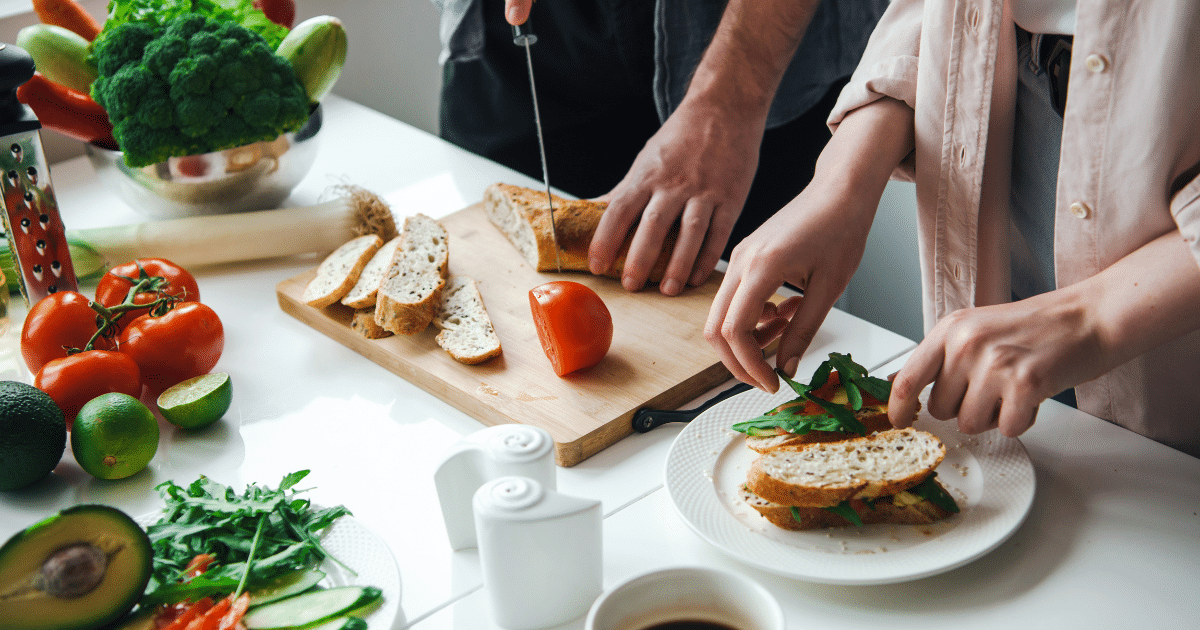
Thanks to their good nutritional profiles on proteins, fibers, B vitamins, and minerals such as zinc, magnesium, potassium, manganese, and molybdenum, the Lynside® range of nutritional yeasts is available as powder and dried flakes for dietary supplements, seasonings, functional foods, and savory recipes, with one serving providing 4.5 g of protein. Because it is low in sodium and fat, it can replace parmesan cheese or grated cheese in recipes. For example, many people use it as a topping for pasta for that reason. It also works well in salads. Some also eat it on popcorn, and a little oil helps it stick. Many consumers add it at the end of cooking to help preserve nutrients, a practical tip that people love for everyday savory dishes.